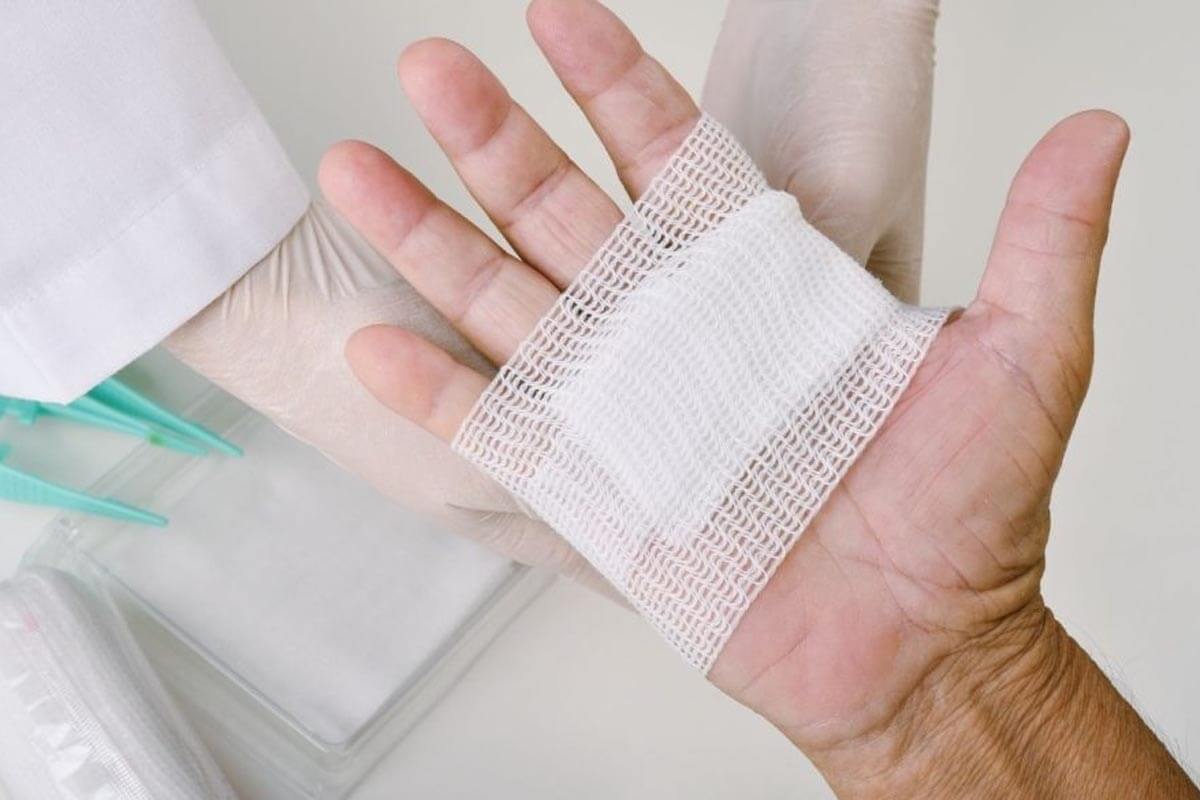
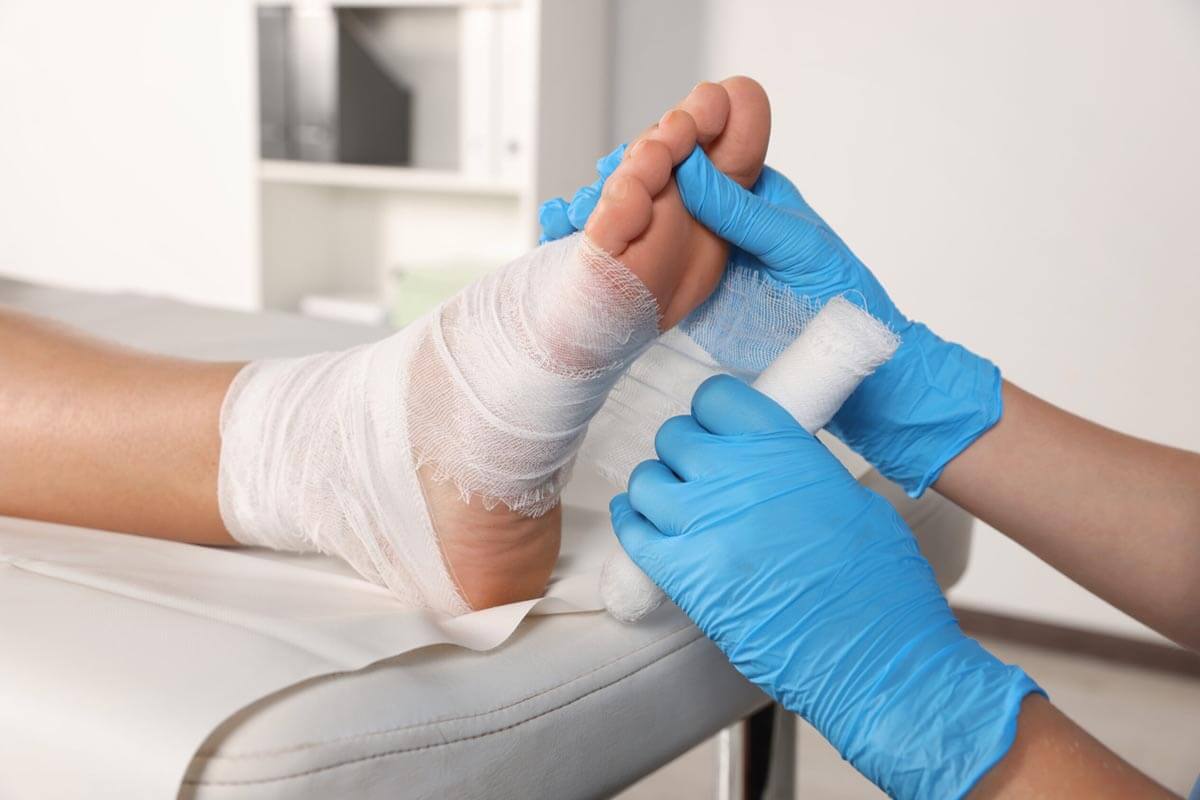
When it comes to wound care, choosing a suitable dressing is an important part of maintaining an appropriate care routine. A dressing can help protect a wound from external factors, manage wound moisture, absorb wound fluid, and create a suitable environment for healing. However, not every dressing is appropriate for every wound.
With many different dressing products available, understanding the basic differences between them can make it easier to explore your options. Factors such as the type of wound, the amount of wound fluid, the location of the wound, the condition of the surrounding skin, and the recommended treatment approach can all influence which dressing may be suitable.
In this guide, we will explore the basics of wound dressings, common types, important considerations when choosing a dressing, and practical tips for everyday dressing care.
What Is a Wound Dressing?
A wound dressing is a material or product placed over a wound as part of a wound care routine. Dressings can serve several purposes depending on the product and the type of wound being managed.
Some dressings are designed primarily to protect a wound from external contamination, while others may help absorb fluid, maintain an appropriate moisture balance, or provide cushioning and protection.
Modern dressing products are available in many forms and materials. They can range from simple gauze-based products to more specialised dressings designed for particular wound care requirements.
The most appropriate option depends on the individual wound and the care plan recommended by a qualified healthcare professional.
Why Are Wound Dressings Important?
A suitable dressing can play an important role in supporting an organised wound care routine. One of the primary purposes of a dressing is to provide a protective barrier between the wound and the outside environment.
Dressings may also help manage wound fluid and reduce friction or physical contact with the affected area. Depending on the type of dressing, some products may provide additional features such as absorbency, cushioning, or moisture management.
However, a dressing is only one part of wound care. Proper assessment, cleaning, monitoring, and professional guidance may also be important depending on the type and severity of the wound.
For this reason, selecting a dressing should not simply be based on appearance or convenience. The characteristics of the wound and the individual’s care requirements should always be considered.
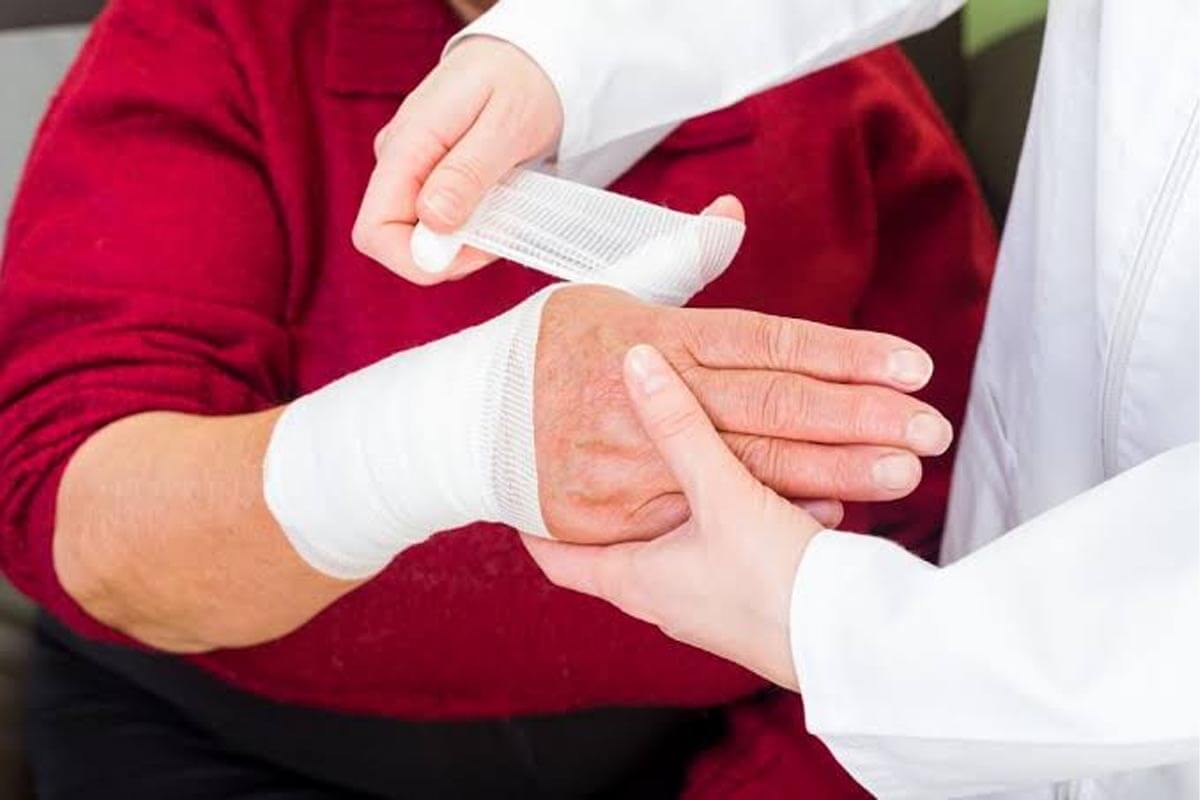
Common Types of Wound Dressings
There are many different types of dressings available, each with different characteristics and intended uses. Understanding these categories can help you become more familiar with the options available.
1. Gauze Dressings
Gauze is one of the most familiar types of wound dressing. It can be used for a variety of general wound care purposes and is available in different sizes and formats.
Gauze dressings may be used to cover wounds, absorb fluid, or provide a layer of protection. Some gauze products are designed to be placed directly over the wound, while others may be used as secondary layers.
Their suitability depends on the specific wound and the recommended care approach.
2. Foam Dressings
Foam dressings are designed to provide cushioning and absorb wound fluid. They can be useful for wounds where managing moderate amounts of fluid is an important consideration.
The soft structure of many foam dressings can also provide additional comfort and protection around the affected area.
As with any dressing, the appropriate use depends on the characteristics of the wound and professional recommendations.
3. Hydrocolloid Dressings
Hydrocolloid dressings contain materials that interact with wound fluid to form a gel-like substance. They are commonly used for certain types of wounds where maintaining a moist wound environment is appropriate.
These dressings are often designed to remain in place for a period of time, depending on the wound and product instructions.
They are not suitable for every type of wound, so professional advice may be necessary before choosing this type of dressing.
4. Alginate Dressings
Alginate dressings are made from materials derived from certain types of seaweed and are known for their ability to absorb wound fluid.
They may be considered for wounds producing significant amounts of fluid. Some alginate dressings can also conform to the shape of a wound, depending on the product.
Because they have specific characteristics and uses, they should be selected according to the needs of the wound and appropriate clinical guidance.
5. Transparent Film Dressings
Transparent film dressings are thin and flexible products that can provide a protective covering while allowing the wound area to remain visible.
Their transparent nature can make it easier to observe the covered area without immediately removing the dressing.
They may be used for specific wound care situations, but their suitability depends on the wound and the purpose of the dressing.
How Do You Choose the Right Dressing?
Choosing a suitable dressing is not simply about selecting the most advanced or expensive product. The right option depends on the specific requirements of the wound.
Here are some factors that may be considered.
Wound Type
Different wounds can have different characteristics. A dressing suitable for a superficial wound may not be appropriate for a deeper or more complex wound.
Understanding the type of wound is therefore an important first consideration.
Amount of Wound Fluid
Some wounds produce very little fluid, while others may produce larger amounts. Dressing absorbency can therefore be an important factor.
A dressing with insufficient absorbency may not provide the required level of management, while a highly absorbent product may not always be necessary.
Wound Location
The location of a wound can affect which dressing is practical. Areas that experience frequent movement may require products that can remain securely in place while allowing appropriate flexibility.
Similarly, wounds located near joints or other high-movement areas may require different considerations.
Surrounding Skin
The condition of the skin around a wound is another important consideration. Some adhesives or dressing materials may not be suitable for sensitive skin.
If the surrounding skin is fragile or easily irritated, professional advice can help determine an appropriate dressing option.
Comfort and Convenience
A dressing should also fit into the individual’s care routine. Comfort, ease of application, ease of removal, and the ability to maintain the dressing securely can all influence everyday usability.
The Importance of Following Product Instructions
Every dressing product can have specific instructions regarding application, replacement, storage, and disposal.
Following the manufacturer’s instructions is important to ensure that the product is used as intended. Instructions may also explain how long the dressing is expected to remain in place and what conditions may require earlier replacement.
If you are unsure about how to use a dressing product, speak with a qualified healthcare professional rather than relying solely on general information.
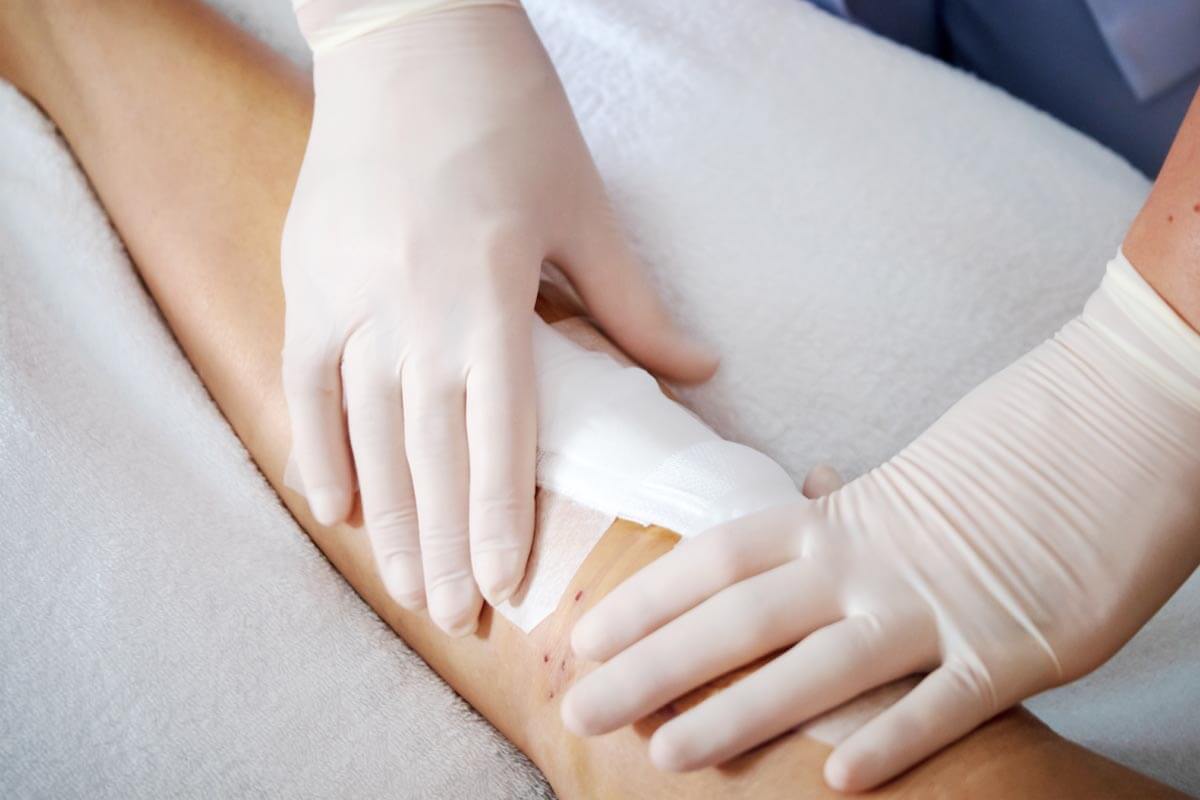
When Should a Dressing Be Changed?
There is no single replacement schedule that applies to every dressing. The appropriate frequency can depend on the type of dressing, the wound, the amount of wound fluid, and the care plan provided by a healthcare professional.
A dressing may need to be changed according to the manufacturer’s instructions or the healthcare professional’s recommendation.
If a dressing becomes loose, heavily saturated, damaged, or otherwise unsuitable, professional guidance may be needed to determine the appropriate next step.
Signs That Require Professional Attention
While many wounds can be managed as part of a planned care routine, certain changes may require professional assessment.
Seek appropriate medical advice if you notice significant changes such as increasing pain, spreading redness, swelling, unusual discharge, persistent bleeding, worsening appearance, or other concerns about the wound.
People with conditions that may affect wound healing should also follow the guidance of their healthcare professional and maintain appropriate follow-up care.
A dressing product should never be considered a replacement for professional medical assessment or treatment.
Making Dressing Care Part of a Consistent Routine
Consistency can be an important part of everyday wound care. Following the recommended care plan, keeping necessary supplies available, and checking the condition of the dressing can help make the routine more manageable.
It can also be useful to keep product information and instructions accessible. If a particular dressing causes discomfort or does not remain securely in place, discuss the issue with a healthcare professional rather than simply changing to another product without guidance.
A well-organised routine can make dressing care easier while helping you stay aware of changes that may require attention.
Final Thoughts
Wound dressings come in many different forms, and each type can have different characteristics and purposes. From simple gauze dressings to foam, hydrocolloid, alginate, and transparent film options, the right choice depends on the individual wound and its care requirements.
When exploring dressing solutions, consider factors such as wound type, fluid level, location, surrounding skin, comfort, and the recommended care plan. Product instructions should always be followed, and professional healthcare advice should be sought when there is uncertainty.
At [Brand Name], we focus on providing quality Dressing solutions designed around practical everyday care needs. Explore our Dressing range to learn more about the available options, or contact us if you have questions about our products.
Quality. Protection. Comfort. Everyday Care.