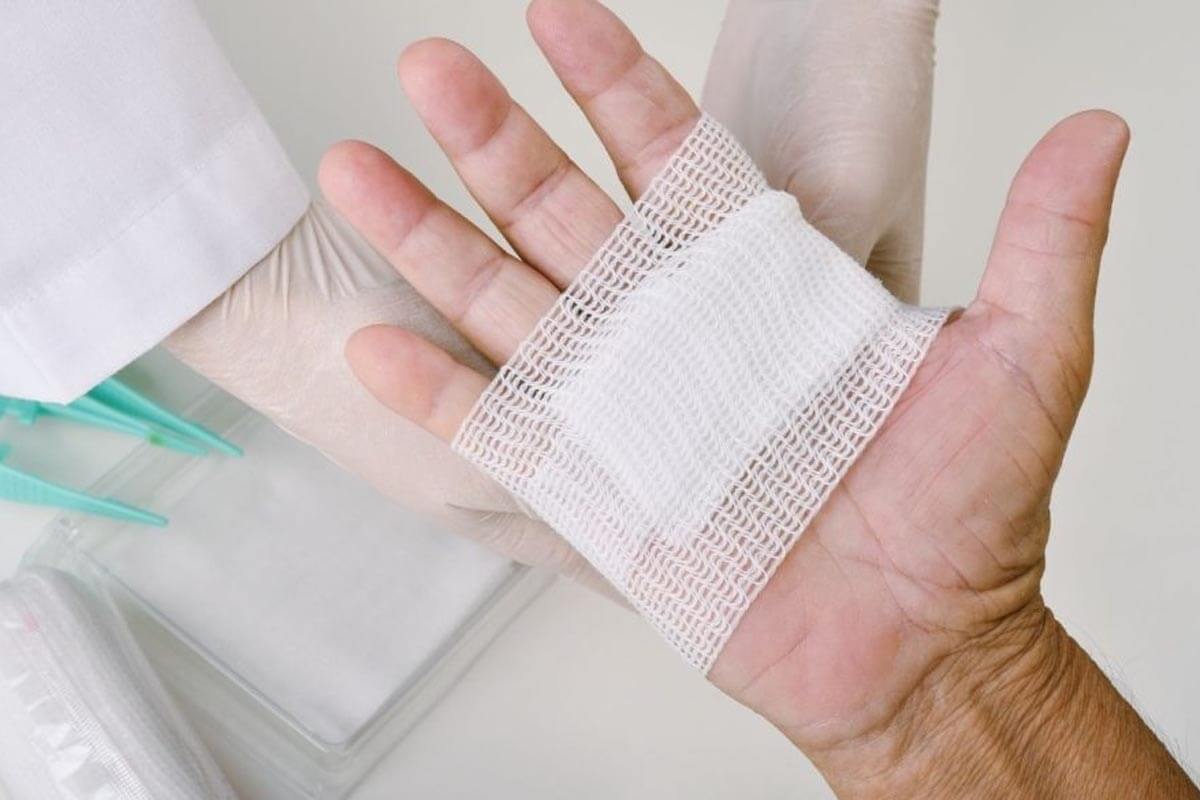

Adjusting to life with an ostomy can take time. Whether an ostomy is new or has been part of your daily life for years, having a consistent care routine can make everyday management more organised and comfortable.
An ostomy changes the way waste leaves the body and creates a stoma on the abdomen. Depending on the type of ostomy, a person may use an ostomy pouching system to collect waste. While everyone’s experience is different, understanding the basics of ostomy care can help make daily routines easier to manage.
Good ostomy care is not only about choosing a pouch or other product. It also involves paying attention to the stoma and surrounding skin, following recommended care instructions, keeping supplies organised, and knowing when professional advice may be needed.
This guide explores some practical aspects of everyday ostomy care and provides general information for individuals and caregivers.
Understanding Your Ostomy
An ostomy is a surgically created opening that allows waste to leave the body through a stoma. Depending on the type of surgery, an individual may have a colostomy, ileostomy, or urostomy.
The appearance and function of a stoma can vary from person to person. A stoma may normally appear moist and pink or red, although its appearance can depend on individual circumstances.
Understanding what is normal for your own stoma is important. Your healthcare professional can explain what you should expect and what changes may require attention.
If you notice unexpected changes in the appearance of your stoma or surrounding skin, it is important to seek appropriate professional advice.
Building a Consistent Ostomy Care Routine
A regular routine can make ostomy care easier to manage.
The exact routine will depend on the type of ostomy, the products being used, individual needs, and the recommendations of a healthcare professional.
A typical routine may involve checking the stoma and surrounding skin, emptying or changing the pouch as required, cleaning the surrounding area, and applying the pouching system correctly.
Following a consistent routine can also help you become familiar with how your products work and make it easier to notice changes.
However, there is no single routine that works for everyone. Your healthcare professional can help you establish a care plan appropriate for your individual needs.
Looking After the Skin Around the Stoma
The skin around the stoma is an important part of everyday ostomy care.
Because the skin may come into contact with output or adhesives, it can sometimes become irritated. A well-fitting pouching system and appropriate skin care can help support the condition of the surrounding skin.
When caring for the area, follow the cleaning and product recommendations provided by your healthcare professional and the manufacturer.
Avoid using products around the stoma that have not been recommended for ostomy care, particularly products that may interfere with the adhesive or cause irritation.
If you notice persistent redness, soreness, itching, broken skin, or other changes around the stoma, seek advice from a healthcare professional or stoma care specialist.
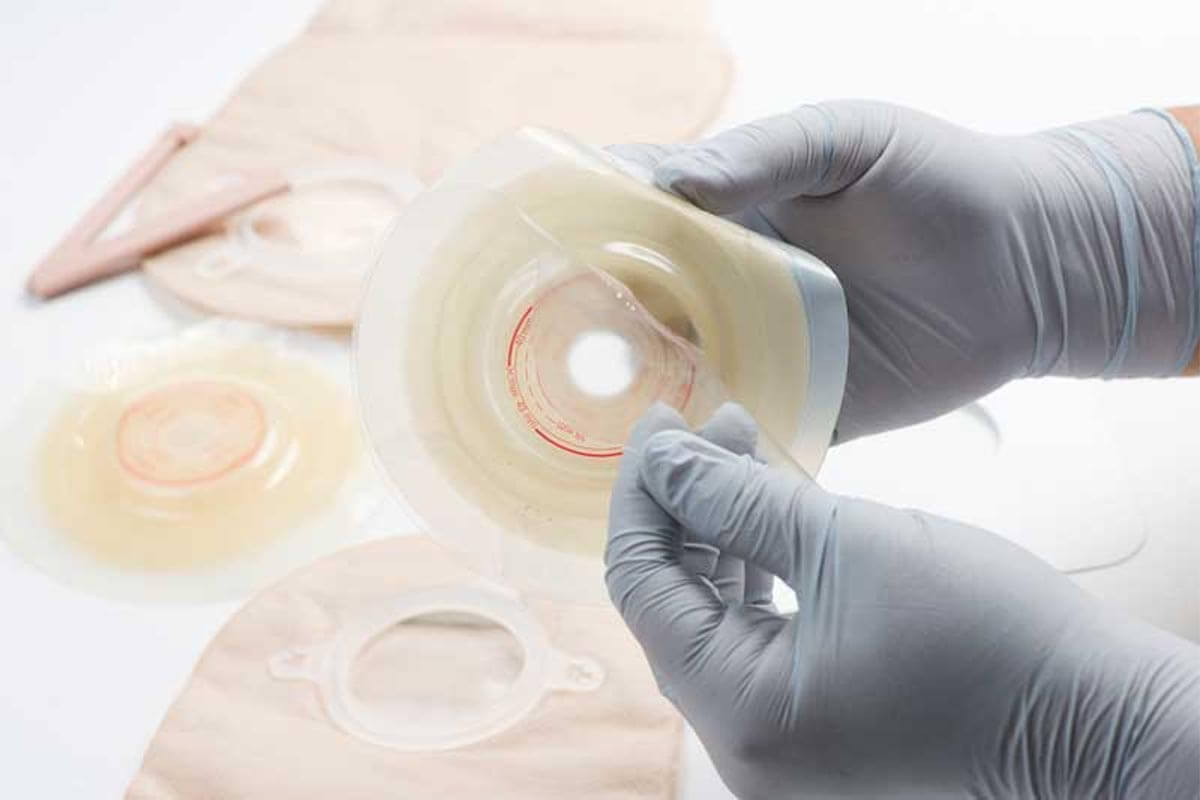
Choosing an Appropriate Ostomy Pouching System
There are different types of ostomy pouching systems available, and the most suitable option can depend on the individual.
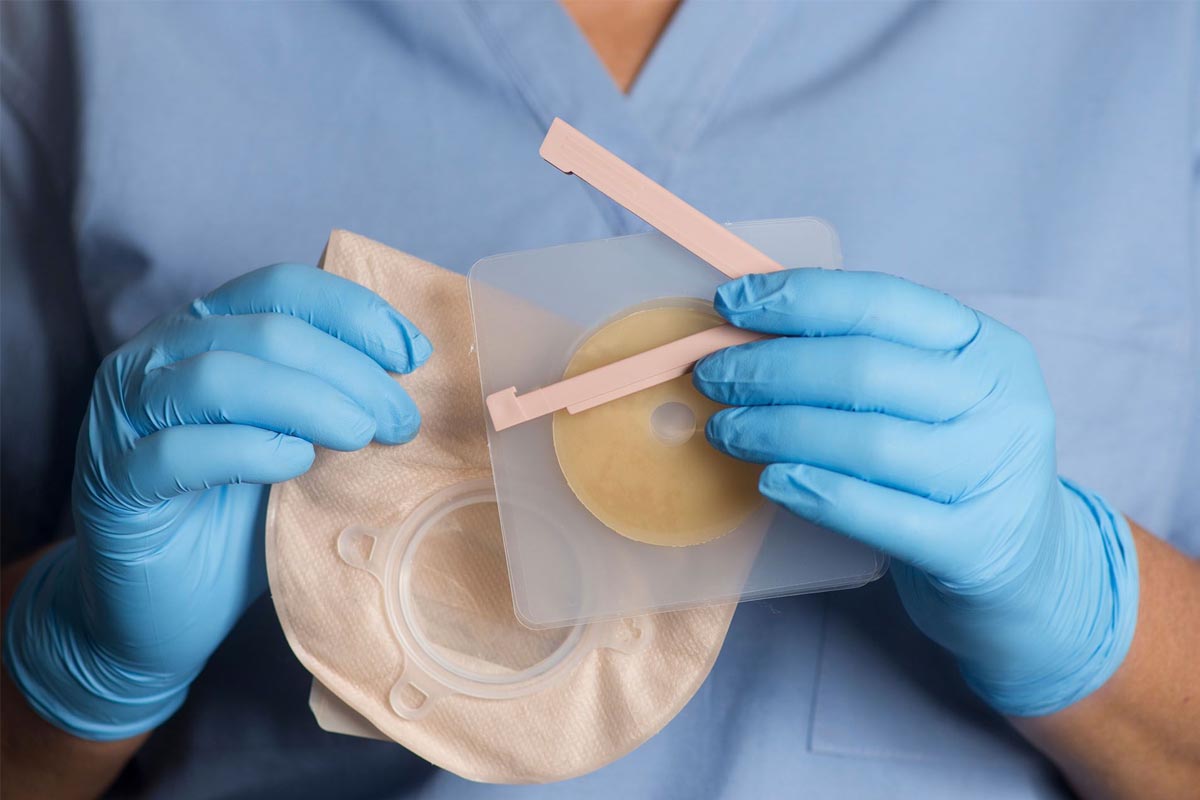
Some systems consist of separate skin barriers and pouches, while others combine these components into a single system.
The shape and size of the stoma can also influence the choice of product. A suitable fit can help support comfort and reduce the risk of leakage.
When choosing or changing an ostomy product, it is important to consider professional recommendations rather than selecting a product based solely on appearance or price.
If your current system frequently leaks, feels uncomfortable, or causes skin problems, discuss the issue with a qualified ostomy or healthcare professional.
Why a Good Fit Matters
A properly fitting ostomy pouching system can make a significant difference to everyday confidence.
The opening of the skin barrier should generally be appropriate for the size and shape of the stoma. A poor fit may allow output to reach the surrounding skin and may contribute to irritation.
Stomas can also change in size and shape, particularly during the period following surgery. This means that the fit of an ostomy product may need to be reviewed from time to time.
If you are experiencing repeated leakage or difficulty maintaining a secure fit, professional guidance can help identify the cause and explore suitable options.
Emptying and Changing the Pouch
The frequency of emptying or changing an ostomy pouch depends on the type of pouch, the amount and consistency of output, and individual circumstances.
Following the manufacturer’s instructions and your healthcare professional’s recommendations is important.
When changing or emptying the pouch, having the necessary supplies prepared in advance can make the process easier.
Many people find it helpful to keep essential ostomy supplies together in one accessible location. This can reduce stress and make routine care more organised.
If you are travelling or spending time away from home, carrying additional supplies can also provide reassurance.
Keeping Ostomy Supplies Organised
Having the right supplies available can make everyday ostomy management more convenient.
Depending on your care routine, you may need pouches, skin barriers, cleansing materials, disposal bags, measuring tools, or other recommended accessories.
Store products according to the manufacturer’s instructions and avoid exposing them to unsuitable temperatures or conditions.
It can also be helpful to check supplies regularly so that you do not unexpectedly run out of essential products.
For travel, consider preparing supplies in advance and keeping important items easily accessible.
Managing Everyday Activities
Having an ostomy does not necessarily mean giving up normal daily activities.
Once you become familiar with your care routine and products, many everyday activities can often continue with appropriate planning.
Different people may have different experiences with work, exercise, social activities, travel, and other aspects of daily life.
If you are planning a new activity or are unsure about managing your ostomy during a particular situation, your healthcare professional can provide individual guidance.
Comfort and confidence often improve as you become more familiar with your own routine.
Clothing and Comfort
Some people initially worry about whether their ostomy pouch will be visible under clothing.
Clothing preferences are highly individual, and many people find ways to dress comfortably while accommodating their pouching system.
Loose or flexible clothing may feel more comfortable for some individuals, while others may prefer their usual clothing.
There is no single correct approach. The most important consideration is finding clothing that makes you feel comfortable and confident.
If you have concerns about pressure, discomfort, or the positioning of your pouch, discuss them with your healthcare professional.
Eating and Drinking With an Ostomy
Dietary needs can vary significantly between individuals and depend on the type of ostomy and other health considerations.
Some people may notice that certain foods affect output consistency, gas, or odour differently.
Rather than making major dietary changes based on general information, it is best to discuss your individual dietary needs with your healthcare professional or a qualified dietitian.
Maintaining appropriate fluid intake can also be important, particularly for people with an ileostomy, but individual requirements can vary.
If you experience concerns about hydration, output changes, or dietary issues, seek professional guidance.
Staying Prepared When Travelling
Travel planning can help make ostomy care less stressful.
Before travelling, consider taking more supplies than you expect to need. Keep essential products in an accessible bag rather than placing everything in checked luggage when travelling by air.
It may also be useful to carry a small emergency kit containing essential ostomy supplies.
If you are travelling internationally, consider keeping product names and relevant healthcare information available in case you need assistance.
Planning ahead can provide greater peace of mind and allow you to focus on enjoying your trip.
Knowing When to Seek Professional Advice
Although many aspects of ostomy care can become part of a regular routine, some situations require professional attention.
Contact an appropriate healthcare professional if you notice significant or unexpected changes such as persistent bleeding, unusual changes in stoma appearance, severe or increasing pain, significant skin problems, repeated leakage, or other concerns.
Changes in output can also sometimes require attention, particularly if they are persistent or accompanied by other symptoms.
People with an ostomy should follow their healthcare team’s recommendations and attend any advised follow-up appointments.
Do not rely on general online information to diagnose a medical problem.
The Emotional Side of Ostomy Care
Ostomy care is not only a physical experience. Adjusting emotionally can also be an important part of the journey.
Some people may initially feel nervous, embarrassed, frustrated, or uncertain about living with an ostomy. These feelings can be completely understandable, particularly after surgery or a significant change in daily routine.
Over time, many people develop greater confidence as they become familiar with their care routine.
Talking with a healthcare professional, stoma nurse, caregiver, support group, or someone with similar experience may provide useful emotional support.
There is no specific timeline for adjusting to life with an ostomy. Everyone’s experience is different.
Keep Learning About Your Care
Ostomy care can become easier as you learn more about your products, your routine, and your individual needs.
Keep product instructions available and stay in communication with your healthcare team.
If a product no longer feels suitable, your lifestyle changes, or you experience repeated problems, ask whether your current care routine should be reviewed.
Learning how to recognise your normal stoma appearance, understand your products, and prepare for everyday situations can help you feel more confident.
Final Thoughts
Living with an ostomy can involve an adjustment period, but a consistent and well-organised care routine can make everyday management easier.
Pay attention to the stoma and surrounding skin, use products according to professional recommendations, keep your supplies organised, and seek advice when something changes or does not feel right.
Most importantly, remember that there is no single ostomy care routine that works for everyone. Your needs may change over time, and your healthcare professional can help you find appropriate solutions.
At [Brand Name], we are focused on providing quality Ostomy solutions designed around practical everyday care needs. Our goal is to make it easier to explore suitable products and access useful information about ostomy care.
Whether you are new to ostomy care or simply looking for better ways to manage your everyday routine, reliable information and appropriate support can make a meaningful difference.
Quality. Comfort. Confidence. Everyday Ostomy Care.